BIC and Office of Public Affairs of the Baha'is of Yemen co-host an event on 'Reimagining Education for Inclusivity and Innovation in Yemen.'


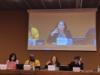
The Baha’i International Community (BIC) and the Office of Public Affairs of the Baha'is of Yemen hosted a side event titled "Reimagining Education for Inclusivity and Innovation in Yemen." Held on the sidelines of the 17th session of the United Nations Forum on Minority Issues at the Palais des Nations, the event brought together various civil society representatives, who were invited to explore the pivotal role of education in rebuilding social cohesion and promoting peace in Yemen, as well as the importance of global cooperation and innovative solutions to rebuilding Yemen’s education sector.
The panel featured a distinguished group of speakers, including Professor Elham Manea, an academic researcher at University of Zurich, Ms. Nafheh Sanai, an educator from the Office of Public Affairs of the Baha'is of Yemen; Mr. Passy Amani, Education Program Manager at UNICEF, and Dr. Saba Haddad, BIC representative to the UN. The session was moderated by Dr. Nader Al-Sakkaf, from the Office of Public Affairs of the Baha'is of Yemen. Opening remarks were delivered by Professor Nicolas Levert, the UN Special Rapporteur on Minority Issues. He emphasized the need for international support and collaboration in advancing minority representation in Yemen's education system, and stressed the need for curricula that promote complexity and diversity, nurture critical thinking, value expressive language, and prioritize peace education over rote learning.
In her remarks, Dr. Haddad, emphasized more than just the need for access to education. She highlighted the crucial role of educational content in fostering peace, prosperity, and addressing deep-rooted societal prejudices. Dr. Haddad stated that education should cultivate tolerance and nurture a profound respect for human diversity—across religion, race, and gender—as a means to counteract divisive forces that fuel ignorance and conflict.
Professor Manea, highlighted a stark contrast to this vision. Explaining how education in Yemen has been weaponized through politicization and neglect, she shared, “In Houthi-controlled areas, curricula glorify war, promote sectarian ideologies, and even include images of weapons in textbooks.” She also explained how minorities, such as Bahá'ís and other vulnerable faith communities face systemic discrimination, with Houthi authorities using "propaganda, indoctrination, and curricula to incite hatred," depriving them of fair access to education. Mr. Amani emphasized that altering curricula to serve specific interests undermines the universal purpose of education, and called for “international intervention to protect Yemen's education system from physical and ideological attacks.”
The panel discussion also emphasized the importance of empowering women, which Dr. Haddad stressed, should go beyond slogans or superficial benchmarks. She shared that empowerment must involve "developing women’s capacities and ensuring their full participation in every aspect of society," and highlighted the importance of prioritizing girls' education, noting that educated girls are not only empowered individuals, but will also become mothers and the educators of future generations. Dr. Haddad explained that "educated girls tend to lead healthier and more productive lives, earn higher incomes, strengthen economies, and contribute to more resilient societies," benefiting everyone—including boys and men—by giving them the opportunity to reach their full potential.
Speaking on the impact of the economic collapse on the education sector in Yemen, Professor Manea shared that “two-thirds of Yemeni teachers, unpaid for nearly four years, have left the profession, putting 4 million children at risk of losing access to education.” She added, “families unable to afford fees or transportation withdraw their children from schools, driving many into labor.” Addressing this challenge of a failing education system, Dr. Haddad emphasized the role of complementary grassroots educational initiatives in meeting the unique needs of local communities, and fostering a process of collective learning and growth. She shared examples of grassroots educational projects that involve youth in community service, providing them with the opportunity to experience firsthand the power of collaboration and realize their potential as agents of positive change. Ms. Sanai advocated for grassroots efforts and equal rights for Bahá’ís in Yemen amidst ongoing Houthi persecution, stating, “Education serves as a powerful tool for fostering resilience, equity, and peace.”