Perspective: Understanding Why: The Purpose of Development
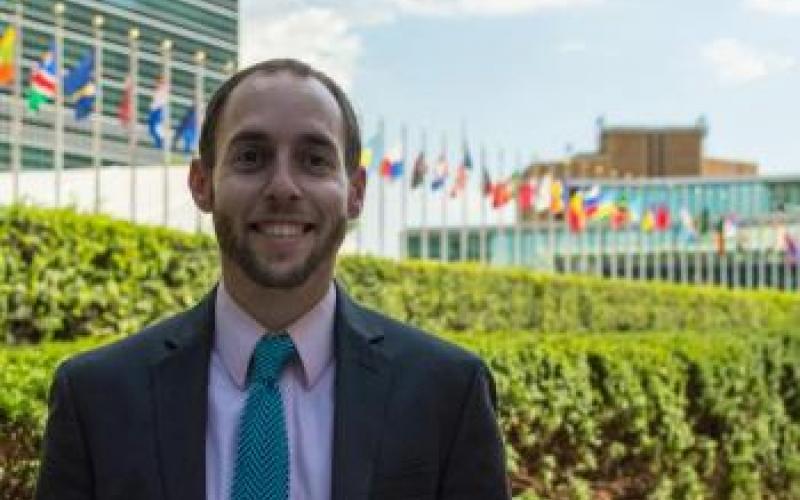
In the six years that I’ve worked for an NGO at the United Nations, I have often found myself longing for more explicit discussions of the ultimate purpose of development.
The goals of the SDGs, for example, are extremely valuable and even inspirational. But what are we trying to achieve by them? Do we pursue gender equality so that all can have equal access to the market economy? Do we provide universal access to education so all students can secure gainful employment one day? Do we promote systems of sustainable consumption and production so that we can consume and produce indefinitely?
These might indeed be among our goals. But what about those who enjoy those benefits already? Have they finished developing?
As they stand, the goals could be likened to important practical aspects of a road trip. We know we should be able to afford some means of transport (no poverty). We should have some food along the way (no hunger). We need to be safe (health care). We should know how to drive (education). Women and men should share in the responsibilities and joys of the trip (gender equality). But do we have a common understanding of our ultimate destination?
The process of developing the SDGs provided a unique opportunity for such conversations – about the purpose of development, the purpose of human rights, indeed, the purpose of existence itself.
Of course, the meaning of life is not something that governments can or should articulate for their people. But shouldn’t we expect representatives of the world to at least consider those fundamental questions about the assumptions that define the international agenda? How do these goals help us to achieve the day-to-day objectives we all share in common, such as spending more quality time with our families, offering our talents in joyful service to others, or taking part in the creation of art or sport? Might we not gain new insights by exploring how the purpose of development is understood in Australia and Afghanistan, in Bolivia and Burundi?
I write this out of concern for the danger of a shared myopia. The benefit of an agenda like this is that it can offer important guide-posts for policy and action. But if the means for development become the ends, then we encounter certain risks. Authentic development cannot, for example, simply be a means to increase participation in a system that results in unjust inequalities or social fragmentation.
In that sense, I think it’s time that we ask ourselves what our ideal community would look like, and then try to work backwards from there.
In that world, all 17 SDGs would of course be met, and achieving that alone is no small feat. But the communities we want our children to grow up in surely should also be characterized by things like social cohesion and a sense of shared endeavor, reciprocity and a generosity of spirit. Those of different backgrounds and viewpoints should have the capacity to explore social challenges together thoughtfully and constructively. Economic forces should serve human lives, and not vice-versa.
The SDGs might be said to convey a sense of the conditions that people will have a right to, the parameters they will have access to. But what will we do within this framework? What kinds of lives will we lead? What will it look like, individually and collectively? These are questions of values and vision, and in many ways they are harder to answer in multilateral bodies such as the UN, than questions of means and mechanisms. But it is here, I believe, that we start to truly engage the question of what the purpose of development is. As we wrestle with such issues – particularly in the company of those whose views differ from our own – we will move past modifying systems that have privileged some while impoverishing others, and can learn together about creating new systems that empower and give opportunity to all.
This will take sacrifice, particularly from those who benefit the most from the current system. It will take humility from those who claim expertise. It will take the expansion of our understanding of whose voices matter for decision-making and the implementation of plans. But it will also result in new forms of personal and collective advancement, new economies, and new solutions – a new solidarity. And it will infuse the global development effort with a renewed sense of purpose.
-- Daniel Perell, Representative of the Baha’i International Community to the United Nations