View from the Interns: Reflections on the 63rd Session of the Commission for Social Development
By Maya Alexis Mele
Beyond Marble and Metal: The Quiet Strength of Reflection
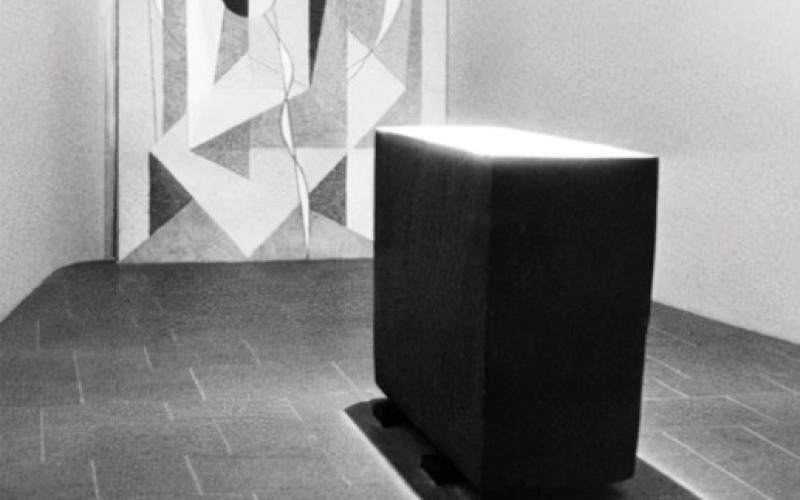
Grand archways, lofty, elevated ceilings, and cascading marble⏤these material elements remain physical hallmarks of power, strength, and authority etched into the very edifice of a room. But one of the most formidable rooms at the United Nations is not adorned with opulence, nor does it command submission through sheer scale. Rather, it is sparse, containing nothing more than a warm glow in a confined space. And yet, its grandeur and potency are indisputable⏤not molded from marble and fine metal but from history, volition, and the weight of what has echoed within its walls. This is the United Nations Meditation Room, a sanctuary concealed behind the formidable Conference Room 4 that is often overlooked, as was the case amidst the fervor of this year’s 63rd session of the Commission for Social Development.
This room, despite its immense power, remains largely overlooked. Yet here, the consequence of profound decisions lingers in the stillness. Beyond a striking blue mosaic lies a narrow, dimly lit corridor leading to a space of absolute simplicity, lacking in physical opulence, distinguished solely by parallel rows of seiza benches and resounding silence. And yet, within this sheltered refuge, ambassadors, diplomats, and activists are all invited to individually reflect and seek personal clarity preceding vital decisions that ripple across the international sphere. In this room, power is not carried through the material but through intention and contemplation.
Throughout this year's session of the Commission, a pressing inquiry echoed through the halls: How do we redefine success in the realm of social development? Time and again, a fundamental tension arose between UN Member States and civil society over the importance of drawing a distinction between economic and social development. Countless stakeholders contended the importance of moving away from conceiving developmental success solely through abstract data points, towering institutions, and material wealth. A shift was demanded—a shift toward the flourishing of social justice, collaboration, unity, trust, accountability, and inclusivity as holistic markers of development. Although material elements are undeniably essential, such facets alone cannot constitute our sole understanding of development. At its core, this process can benefit from a deeper consideration of humanity's interconnectedness and oneness—the recognition that all people, regardless of race, nationality, or creed, are members of a single human family, united in origin and dignity, moving towards humanity’s collective destiny. This, I believe, remains a timeless notion—one harboring power to transcend the material world.
Amid these debates, a parallel image arose—the UN Meditation Room, a silent testament to the discourses unfolding. As stakeholders sought to redefine success beyond material wealth and physical structures, this space, although often overlooked, stood as an embodiment of our shared vision. There, development and power are not measured in towering edifices or economic milestones but in the quiet, unwavering principles of trust, unity, and consultation. Trust allows them to enter and reflect without fear. Unity seats them side by side on the same humble benches. And in this sacred stillness, it is our shared humanity—not policy, not data—that shapes the decisions capable of transforming the world.
As we look toward future engagements, principle must be translated into tangible action. Yet, action without reflection remains barren—just as this room within the UN remains too often deserted. If we are to redefine success and power in development, we must not rush forward on the momentum of material force alone. Instead, we must move deliberately, with deep consultation and purpose at every step. The silence of this space, its absence from discourse, but its indispensable need, is a stark reminder: true progress demands reflection. Without it, we risk building structures without substance, policies without soul, and a future without the wisdom to sustain it.
Maya Alexis Mele is an intern at the Baha’i International Community United Nations Office